What Makes a Day Meaningful?
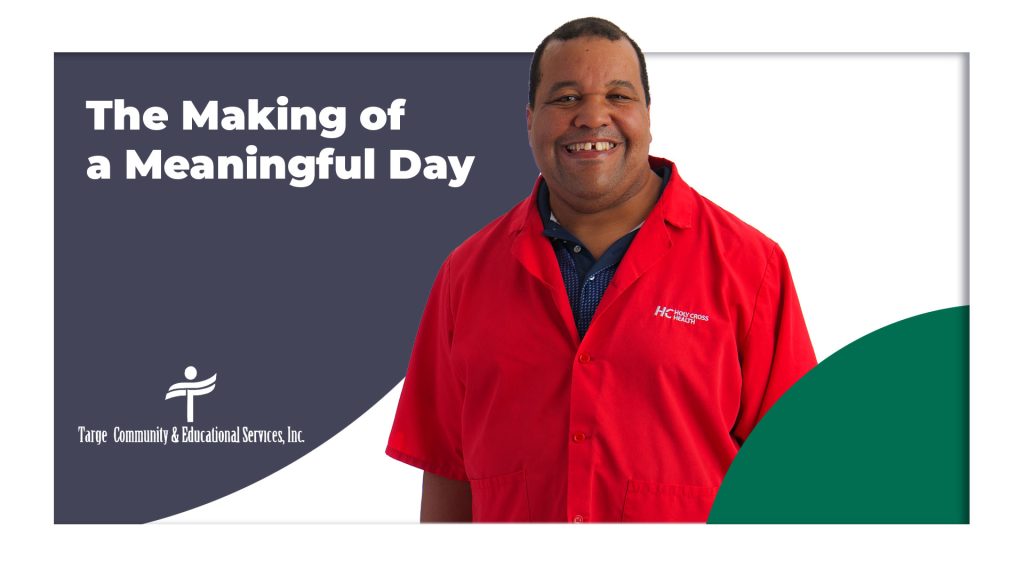
A meaningful day looks different for every person.
It may include learning something new, working toward a personal goal, volunteering, spending time with friends, or becoming more involved in the community.
What makes the day meaningful is not simply having somewhere to go or something to do.
It is having choices, opportunities, relationships, and a sense of purpose.
That belief shapes the Meaningful Day services offered by Target Community & Educational Services.
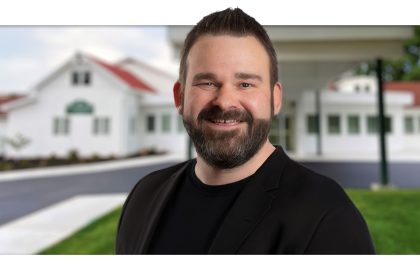
During a recent episode of the On Target Podcast, Morgan Nickoles, Target’s Meaningful Day Director in Carroll County, described the program as:
“A place for adults to come and participate in meaningful activities that they want to learn.”
That distinction matters.
The goal is not to fill time.
It is to help each participant build a life around their interests, abilities, and goals.
Meaning Begins With Choice
Adults with disabilities should have a voice in how they spend their time.
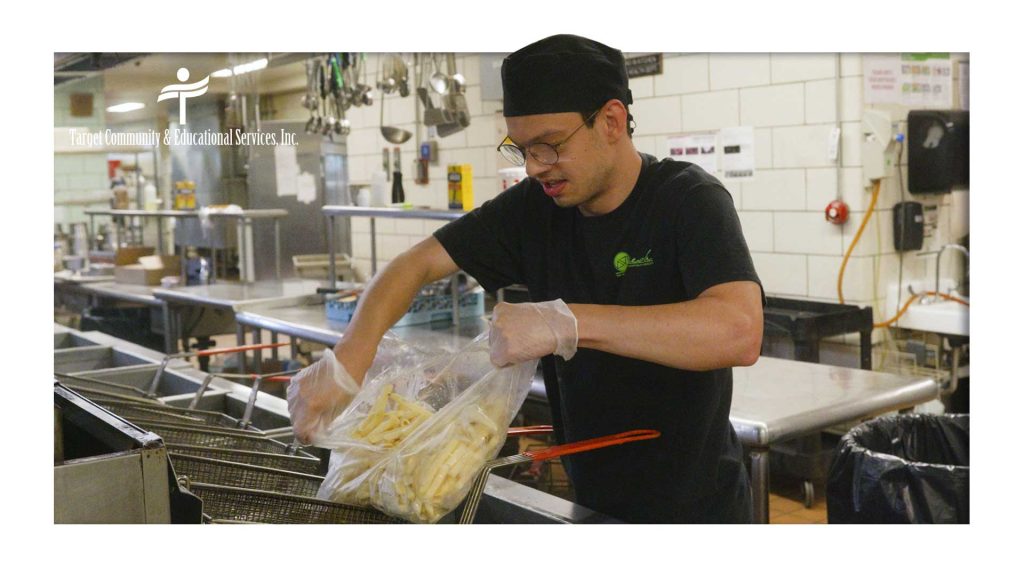
At Target, classes are developed around what participants want to learn. Options have included cooking, theater, American Sign Language, Dungeons & Dragons, and other subjects shaped by participant interests.
These activities are enjoyable, but they also create natural opportunities to develop practical skills.
A cooking class can involve math, measuring, kitchen safety, and learning to use different tools.
Theater can strengthen memory, patience, communication, and teamwork.
Dungeons & Dragons can encourage strategy, problem-solving, and cooperation.
Participants are not handed one standard schedule based on a diagnosis. They are given opportunities to make choices about what they want to learn and where they want their services to lead.
Morgan emphasized that everybody is capable. Even when someone has significant support needs, creative thinking can help that person pursue meaningful goals.
The support may look different for each individual.
The belief in their potential should not.
Progress Is Personal
Growth is easy to overlook when we measure everyone by the same standard.
For one person, progress may mean learning to read more independently.
For another, it may mean getting a job, becoming comfortable in a new environment, attending the program more consistently, or developing new friendships.
Someone may focus on building workplace skills. Another person may work toward managing the anxiety they experience when entering the community.
These achievements should not be dismissed because they appear ordinary to someone else.
Morgan described seeing participants accomplish goals they once worried might be beyond their reach:
“They’re so overwhelmingly proud and excited and happy.”
That pride is earned.
Progress can require instruction, repetition, encouragement, adaptability, and the courage to keep trying. The outcome may be visible in one moment, but the work behind it often happens gradually.
A meaningful program recognizes that progress and continues building upon it.
Community Participation Is About Belonging
A meaningful life cannot exist entirely inside a program.
People need opportunities to become part of the communities where they live.
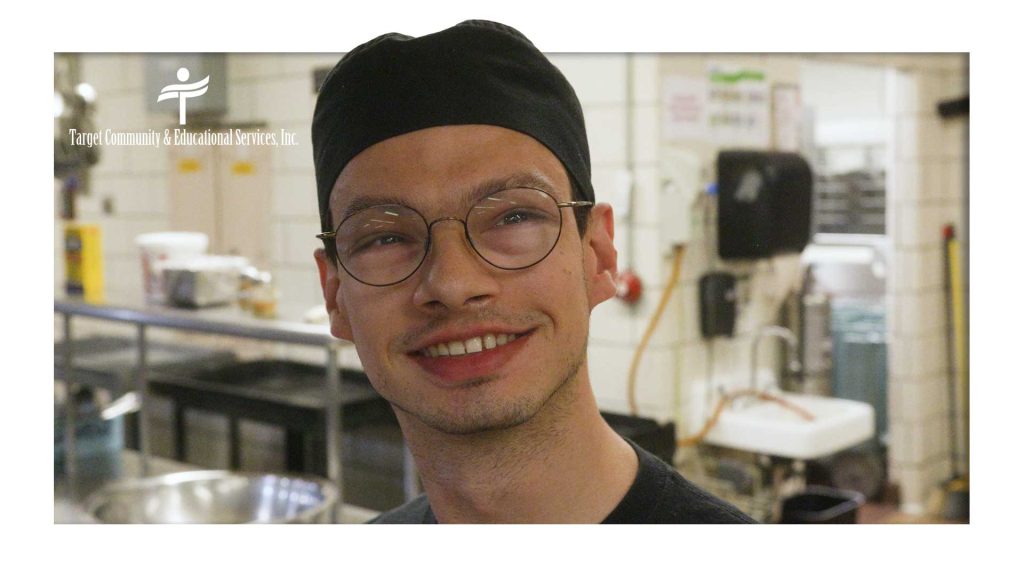
That can mean working at a local business, volunteering alongside other residents, attending community events, visiting familiar places, or participating in activities open to everyone.
Morgan explained that people with disabilities should be recognized and treated as community members.
Inclusion is not creating a separate version of community life for people with disabilities.
It is volunteering alongside other volunteers.
It is completing the same art project as everyone else.
It is entering a restaurant as a paying customer.
It is becoming a trusted employee, familiar neighbor, regular visitor, or valued member of a local organization.
Target participants contribute to businesses and organizations throughout the community. Over time, those experiences create genuine relationships.
People learn one another’s names.
Customers return because a particular employee brightens their day.
Community members notice the work someone performs and express their appreciation.
Support moves in both directions.
That is belonging.
Opportunity Changes What People See
Some people have little direct experience with intellectual and developmental disabilities.
That unfamiliarity can lead to hesitation, low expectations, or assumptions about what someone can and cannot do.
One of the most effective ways to challenge those assumptions is to create opportunities for people to meet and work alongside one another.
As Morgan explained:
“Our people are employable. Our people can volunteer.”
A diagnosis provides information about a person.
It does not tell us everything that person can learn, contribute, enjoy, or achieve.
When a business hires someone with a disability, it gains the opportunity to know that individual as an employee.
When an organization welcomes a volunteer, it sees what that person contributes.
When people participate throughout the community, others begin recognizing them for their personalities, abilities, humor, reliability, and interests.
Preconceived ideas lose their power when real relationships take their place.
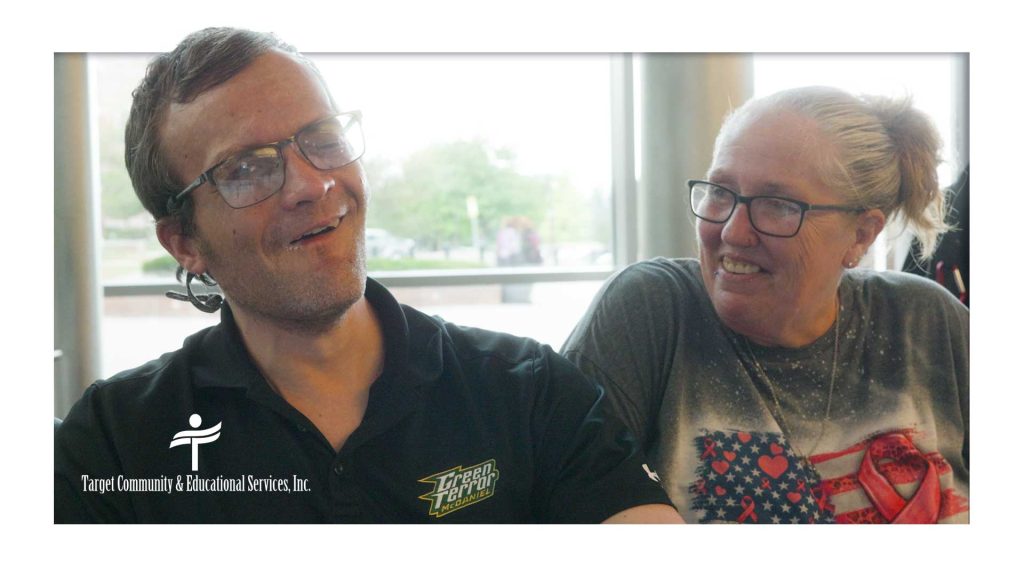
This Work Changes More Than One Life
Disability services are sometimes described as though support only flows in one direction.
The staff member gives.
The participant receives.
The reality is more human than that.
Morgan reflected on the relationships she formed while completing the Target Community–McDaniel College graduate program:
“I was not only taking care of them, but they were taking care of me in their way, too.”
Thirteen years later, those relationships continue to shape how she views her career, her family, and her own life.
She has seen participants work toward important goals, develop relationships, find jobs, and become more confident. She has also learned from their persistence, gratitude, personalities, and ability to find joy in moments others might overlook.
That mutual impact demonstrates why inclusion strengthens the entire community.
People with disabilities are not merely recipients of something the rest of the community provides. They are coworkers, neighbors, friends, volunteers, teachers, and contributors.
Their presence strengthens the community around them.
Why Target Community Matters
Target Community empowers adults with disabilities to live full, productive lives.
That mission becomes real through daily choices and tangible outcomes.
A participant learns a new skill.
Someone begins volunteering.
A person becomes more comfortable in the community.
An employer recognizes an individual’s potential.
A goal that once felt distant becomes achievable.
A relationship forms between people who may never have met otherwise.
As Morgan said:
“Every person deserves a chance and an opportunity.”
That is why this work matters.
Meaningful support does more than fill a day. It gives people opportunities to learn, contribute, build relationships, pursue their goals, and be known as full members of their communities.
When that happens, the entire community becomes stronger.
Listen to the full conversation with Morgan Nickoles on the On Target Podcast: https://open.spotify.com/show/4ebbCoHQQl2Wi6ORL5zxIN?si=fc7577a322b44f7f
To learn more about Target Community & Educational Services, visit targetcommunity.org.