A person’s need for opportunity does not end when they leave school.
Neither does their need for support.
Adults continue to learn, work, manage their health, build relationships, pursue interests, and make decisions about where and how they live. People with intellectual and developmental disabilities deserve those same opportunities.
The support someone needs may change over time. What helps a person succeed as a child may not be what they need as an adult. New health concerns can emerge. Personal goals can evolve. Families age. Careers develop. Greater independence may become possible.
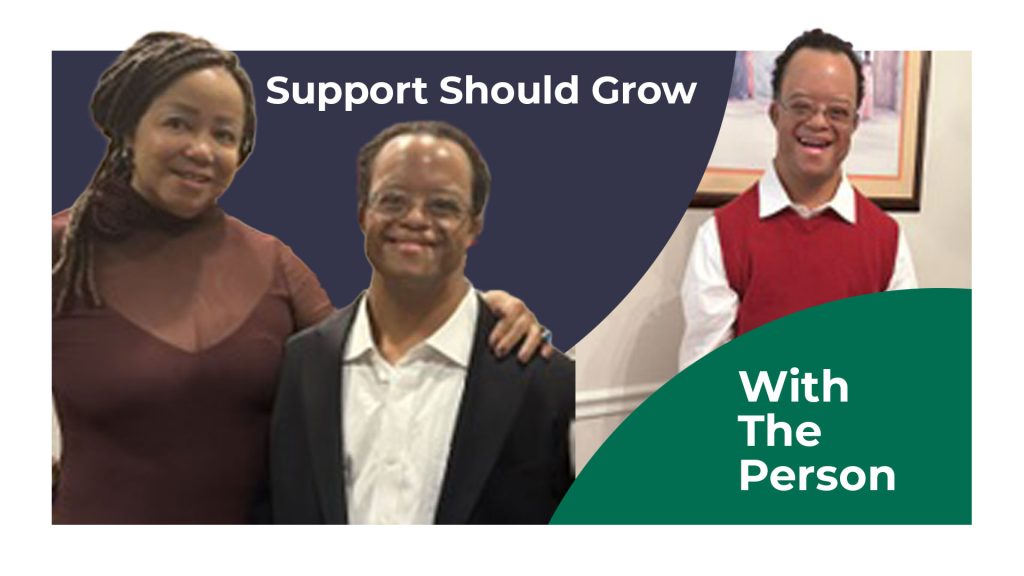
During a recent episode of the On Target Podcast, Darlene Richeson reflected on the support her son, Tory, has received throughout his life.
Her message was simple:
“It doesn’t end.”
Support is not one program, one professional, or one stage of life.
It is a network that should grow and adapt with the person.
Adulthood Should Open New Doors

Much of the public conversation about disability services centers on childhood.
Families learn about early intervention, special education, and school-based support. These services can create an important foundation, but adulthood brings an entirely new set of questions.
What kind of work does the person want to pursue?
Where do they want to live?
What support will help them manage their health?
How will they continue learning?
Where will they build friendships and participate in community life?
After leaving school, Tory transitioned into community-based services. He has worked through a supported employment program for many years, performing custodial work at locations that have included the Maryland State Police, the National Guard, and the MARC train system.
His work provides more than a daily schedule.
It allows him to contribute, develop skills, pursue goals, and build relationships. Darlene described being approached by people she had never met who already knew Tory through his job.
Employment made him visible in his community.
More importantly, it gave his community the opportunity to know him.
The Right Support Makes Independence Possible
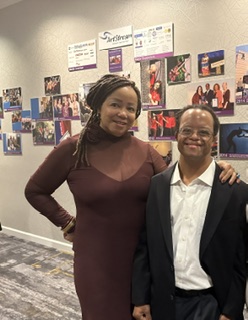
Independence is often mistaken for doing everything alone.
That is not how anyone lives.
People rely on doctors, teachers, coworkers, family members, financial professionals, neighbors, and friends throughout their lives.
Receiving support does not make someone less independent.
The right support can give a person greater control over their own life.
Tory lives in his own home and receives help with independent living tasks after work and during the night.
That support does not diminish the fact that it is his home.
It helps make living there possible.
For another person, the right arrangement may look different. Someone may live with housemates, with family, or in another supported setting. The goal should not be to force everyone toward one narrow definition of independence.
The goal is to provide the support each person needs to live safely, make meaningful choices, and pursue the life they want.
Healthcare Requires More Than General Advice
Support must also extend to healthcare.
Before the COVID-19 pandemic, Tory’s routine included work, karate, swimming, theater, and other activities. When the pandemic interrupted those routines, much of that activity suddenly stopped.
His weight increased.
By 2023, Tory weighed 168 pounds. According to Darlene, he was also prediabetic and approaching high cholesterol.
His physician’s written recommendation was simple:
“Eat less, exercise more.”
The recommendation sounded straightforward.
It did not provide a plan.
As Darlene asked:
“What does eat less mean? Eat less of what?”
There was no specific eating plan. There was no detailed exercise guidance. There was no meaningful explanation of the medical factors affecting Tory’s health.
Generic instructions are not individualized healthcare.
A real plan begins by understanding the person.
Tory has Down syndrome, hypothyroidism, and other health factors that affected his experience with weight management. General advice did not address those factors or identify the specific support he needed.
Darlene continued searching until she found a physician with relevant expertise. Tory then began a medically supervised plan that included dietary changes, exercise, personal training, and prescribed medication.
The medication was not presented as a shortcut or a replacement for healthy habits.
It was one part of a complete plan developed around Tory’s needs.
Lasting Progress Takes a Team
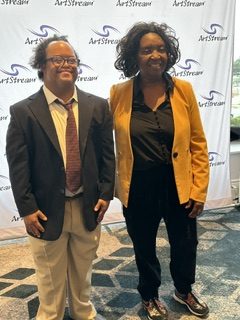
Tory’s progress did not come from one appointment, one prescription, or one person.
As Darlene put it:
“It takes a village.”
His family helped him follow the plan.
The people supporting him at home helped maintain his daily routine.
His supervisors at work supported the food choices included in the plan.
His physician monitored his treatment.
Personal training, karate, swimming, and other activities helped him remain active.
Most importantly, Tory participated in the work. He adjusted his routines, faced a fear of needles, continued exercising, and stayed committed to the plan.
Within one year, Tory lost 42 pounds. He later reached a total loss of 44 pounds, going from 168 pounds to 124 pounds.
Darlene reported that his health indicators returned to a healthy range and that he felt better.
One moment stood out to her.
Before beginning treatment, Tory rarely experienced a sense of fullness. During his first week on the prescribed medication, Darlene heard him say he was full for the first time.
That moment helped her understand that Tory’s experience was not simply a matter of willpower.
He needed care that addressed what was happening in his body.
A physician can create an excellent treatment plan, but that plan must work within someone’s actual life. When families, healthcare professionals, support staff, employers, and community programs work together, recommendations become daily actions.
That is where progress happens.
Support Is Not a Sign of Failure
During Tory’s journey, Darlene encountered the belief that people should be able to lose weight on their own.
That idea creates shame without improving anyone’s health.
People routinely seek professional help when facing medical conditions. They consult specialists, take prescribed medication, attend therapy, follow rehabilitation plans, and rely on those around them.
Needing support does not mean someone has failed.
It means they are human.
For people with disabilities, medical instructions can be complicated. Appointments may require coordination. New routines may need to be taught and reinforced. Transportation, meal planning, medication, and exercise may involve several people.
The goal should not be to prove that someone can manage every part of their healthcare alone.
The goal should be to provide the right support so that the person has a fair opportunity to succeed.
Advocacy Can Change the Outcome
Finding appropriate care is not always easy.
Patients and families may encounter providers who do not understand disability, dismiss a concern, or offer guidance that does not reflect the person’s actual needs.
Darlene spent considerable time researching physicians, reading reviews, working within insurance restrictions, and finding professionals who understood Tory’s medical needs.
Her advice to other families was direct: if a physician is not providing the necessary information, care, or referral to a specialist, it may be time to find another physician.
Changing providers can be difficult. Insurance restrictions, limited availability, transportation, and long waiting lists may all stand in the way.
But accepting inadequate care can have serious consequences.
Strong advocacy means asking questions, requesting clear explanations, seeking appropriate referrals, and ensuring the person receiving care is included in decisions as much as possible.
Not everyone can advocate for themselves in the same way. Some people communicate differently or need assistance understanding complex medical information. Trusted family members and support professionals can help ensure that their concerns, preferences, and health histories are understood.
Advocacy should never replace the person’s voice.
It should help that voice be heard.
People Continue Learning Throughout Their Lives
Tory always wanted to attend college.
Now, at 40, he takes a weekly class through Montgomery College’s Challenge Program. He works during the day and attends class in the evening.
The experience matters to him.
He is proud to be a college student and proudly wears his Montgomery College clothing.
His story is also a reminder that creating a program is not enough. People must be able to access it.
Many programs designed for adults with disabilities are held during traditional working hours. That creates a barrier for people who have jobs or participate in daytime services.
Darlene explained:
“You want to encourage your loved one to work if they can.”
But people should not have to choose between employment and education simply because accessible classes are offered only during the workday.
If colleges and community organizations want adults with disabilities to continue learning, program schedules must reflect their lives. More evening options could allow working adults and people attending daytime programs to participate.
Access is not just about whether an opportunity exists.
It is about whether people can realistically use it.
A Full Life Is Built From Many Parts
Tory’s life cannot be reduced to one diagnosis, service, or achievement.
He works.
He lives in his own home with support.
He attends college.
He participates in karate, swimming, personal training, and inclusive theater.
He enjoys movies and acting.
He has goals for his health and hopes for his future.
Like everyone else, he has interests that bring him joy, responsibilities that give his days structure, and ambitions he has not yet finished pursuing.
No single service makes all of that possible.
A full life is supported by families, healthcare professionals, educators, employers, direct support professionals, community organizations, and others working toward the same goal.
That does not mean making every decision for someone.
It means ensuring that the right people and resources are available so the individual can continue moving toward the life they want.
Why This Work Matters
Target Community & Educational Services empowers adults with disabilities to live full, productive lives.
Tory does not receive his services through Target, but his experience demonstrates why Target’s mission and the work of community-based service providers matter.
Residential services, employment support, personal supports, Meaningful Day services, and educational partnerships address different parts of life. They share a common purpose: helping each person pursue individual goals, participate in the community, and receive support that reflects their changing needs.
A job can create purpose and connection.
A safe home can provide stability and greater independence.
Education can open new possibilities.
Community participation can build relationships.
Strong advocacy can protect a person’s health and expand access to appropriate care.
None of these should be treated as isolated outcomes. Together, they help create a life shaped by choice, dignity, opportunity, and belonging.
People with disabilities do not stop growing when they reach adulthood.
Their support should not stop growing with them.
Listen to the full conversation with Darlene Richeson on the On Target Podcast. To learn more about Target Community & Educational Services, visit targetcommunity.org.